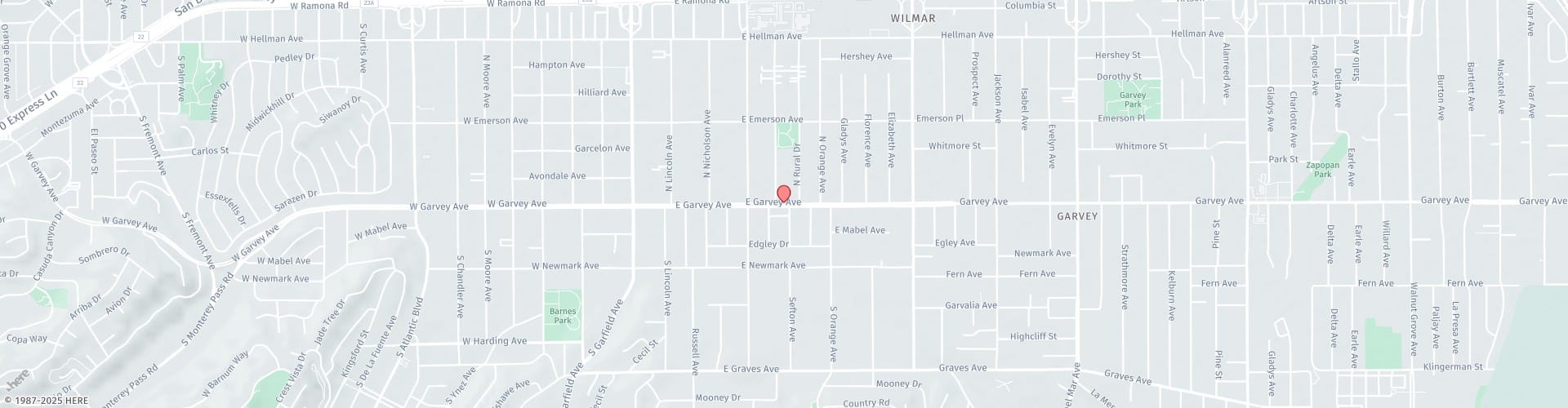
An upcoming cataract consultation can raise several questions: What will the doctor check? How will you know if surgery is necessary? At Linda Vision in Monterey Park, our cataract surgery evaluations begin with an examination and a conversation about how you use your eyes each day. Dr. Bach Lan Linda Vu is a board-certified ophthalmologist who has practiced since 1999 and specializes in refractive cataract surgery.
What Happens During the Eye Examination?
We ask which activities have become harder, then check how clearly you see with your current prescription. Testing may include reading an eye chart and a dilated examination to inspect the lens and other eye structures. These findings help distinguish cataract-related cloudiness from other causes of blurred sight.
Dilating drops can temporarily blur near vision and increase light sensitivity, so ask in advance whether you should arrange transportation.
Surgery isn’t always needed immediately. If you’re weighing the timing, our article about when cataracts should be removed explains how daily activities influence the decision.
When Are Measurements Taken Before Surgery?
The initial consultation and detailed lens measurements are separate parts of planning. If you decide to proceed, Linda Vision asks you to obtain medical clearance from your primary care physician. You then return for preoperative testing that helps us calculate the power of your replacement intraocular lens (IOL).
Measurements of eye length and corneal curvature guide that calculation. They also help identify astigmatism, which can influence the type of implant we discuss.
How Do We Choose a Replacement Lens?
Think about where you need clear sight most. Someone who works at a computer may have different priorities from someone who frequently drives after dark. A standard monofocal IOL generally focuses at one distance, meaning reading glasses may still be needed. Our lens implant guide also explains multifocal and accommodating options that may reduce dependence on glasses for more activities.
Some multifocal lenses can produce halos around lights, particularly at night. Advanced implants may also involve costs beyond insurance coverage. We’ll discuss these tradeoffs alongside your eye health and the results you can reasonably expect. None of these choices guarantees complete independence from glasses.
How Can You Prepare for the Visit?
Bring your glasses, a medication list, and questions about your daily routine. You might ask whether you’ll need reading glasses afterward or whether astigmatism affects your choices. Our cataract surgery FAQs answer other common questions.
Discuss Cataract Surgery in Monterey Park
If you’re considering cataract removal, our team can examine your eyes and explain the options available to you. Call Linda Vision at 626-382-2020 or contact us to arrange a consultation in Monterey Park, CA.